
Imagine this: while one second passes for you, more than 11 days pass for the universe. You wouldn’t feel it — but the cosmos would be aging at a terrifying speed.
🕐 The First Seconds
Stars would begin burning through their fuel almost instantly. Processes that normally take millions of years would unfold in mere moments.
- ✨ Stellar evolution accelerates dramatically
- 🌌 The sky appears calm, but everything is changing
- ⏳ Cosmic time races beyond perception
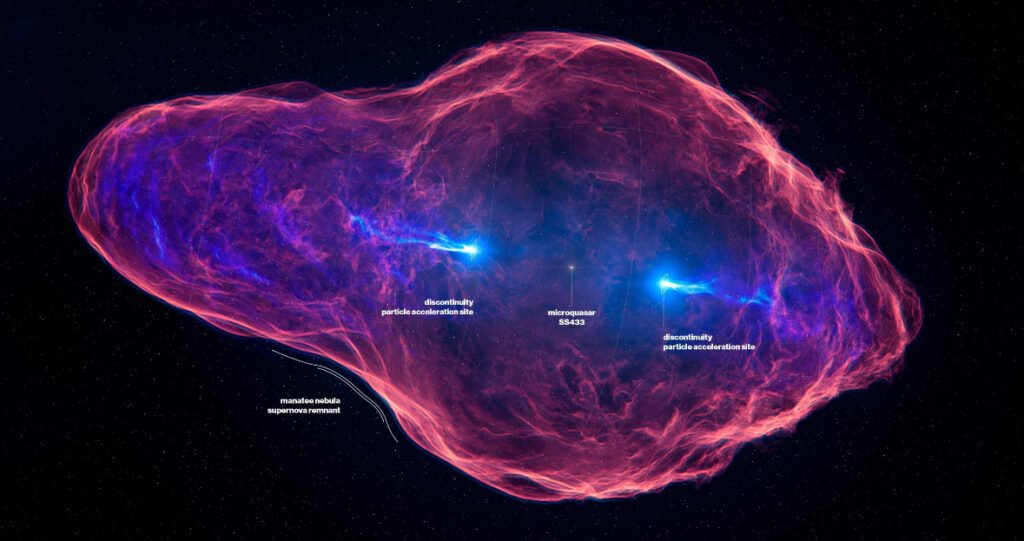
🕒 After a Few Minutes
Massive stars would explode as supernovas. Entire star systems would be born and destroyed faster than the blink of an eye.
- 💥 Supernovas erupt across galaxies
- 🌠 New stars form — and die — rapidly
- 🌀 Galaxies begin to distort and shift
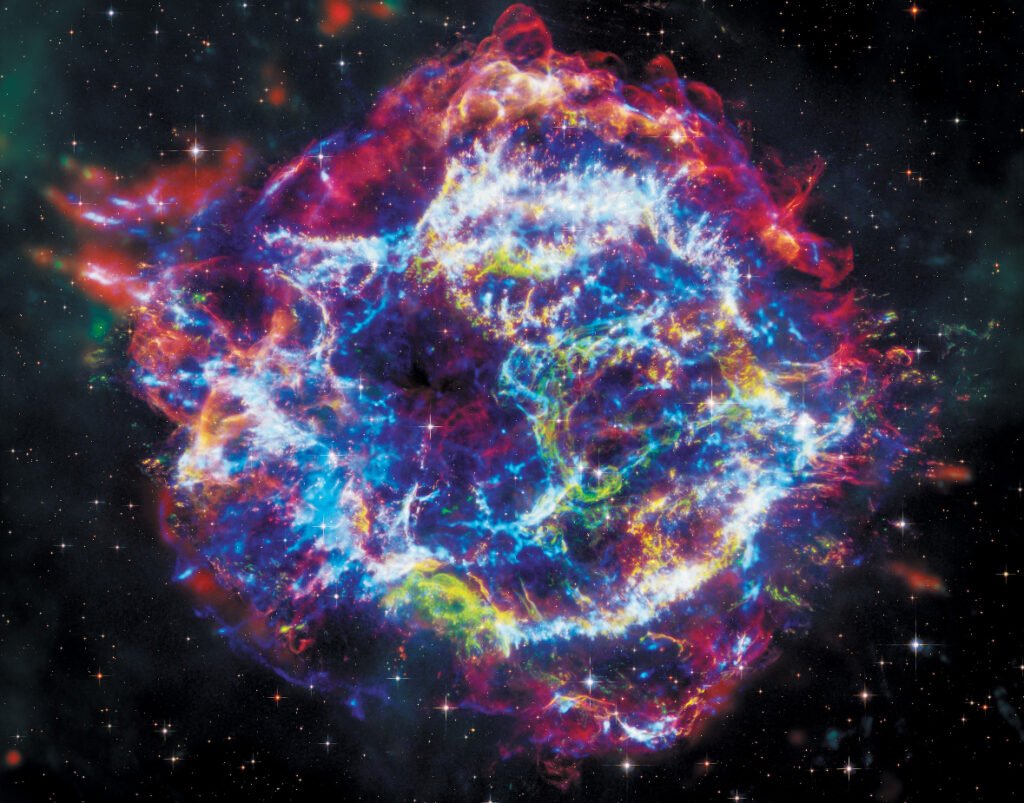
🕓 Within Hours
The universe would visibly age. Smaller stars would fade, and countless planets would lose their parent stars.
- 🌑 Stars burn out and vanish
- 🪐 Rogue planets drift into darkness
- 📉 Energy slowly drains from the cosmos
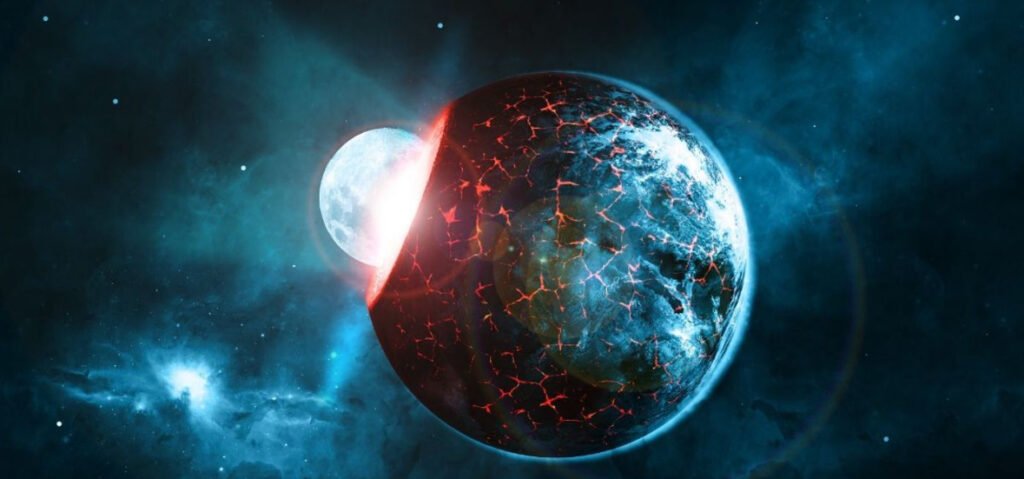
🌌 After One Day
Most of the stars we know today would already be gone. Galaxies would dim, leaving behind an increasingly dark universe.
- ⭐ Almost all visible stars disappear
- 🌫️ Galaxies fade into silence
- ❄️ The universe cools rapidly
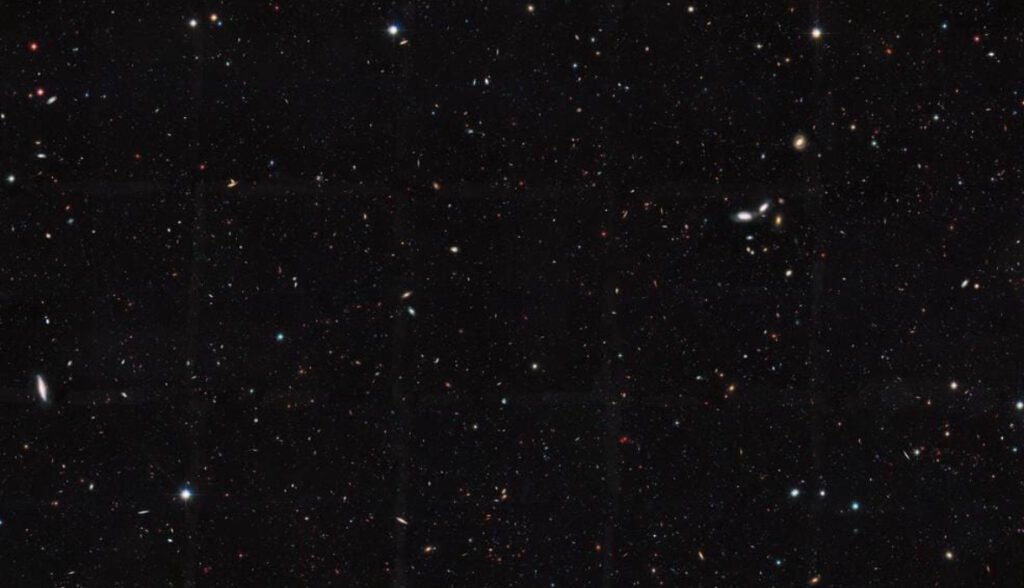
🧊 In Just a Few Days
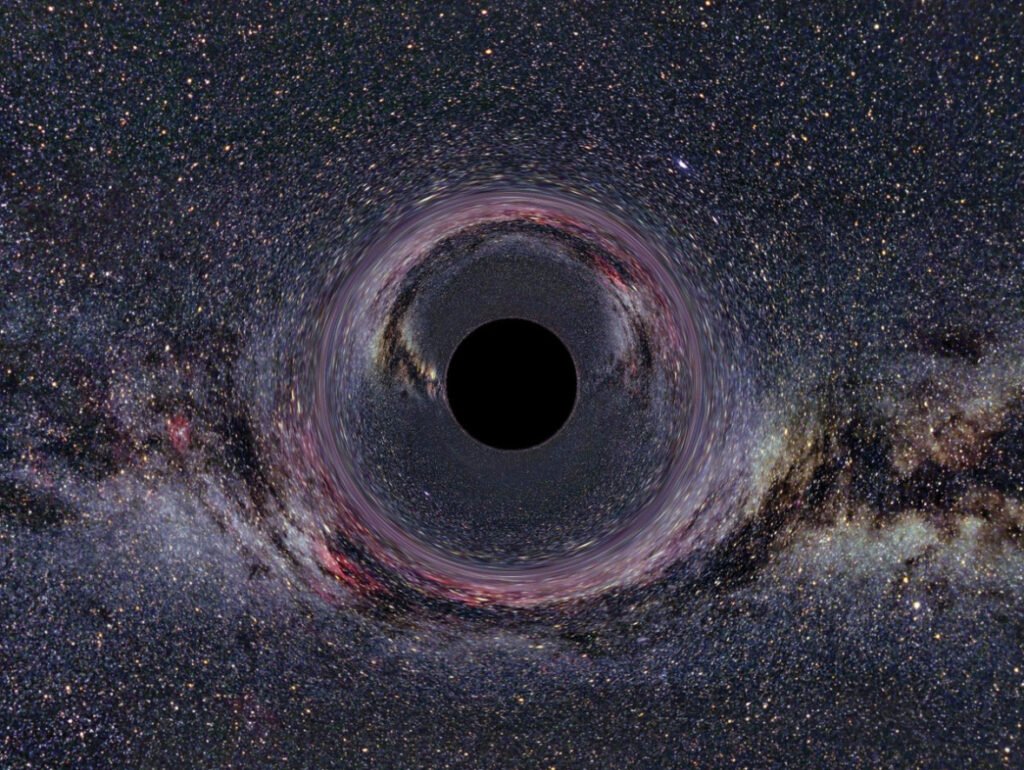
Only the remnants of the universe remain: white dwarfs, neutron stars, and black holes scattered across vast emptiness.
- 🧲 Neutron stars dominate
- 🕳️ Black holes become the main structures
- 📡 Matter spreads thinly across space
🕳️ The Final Outcome
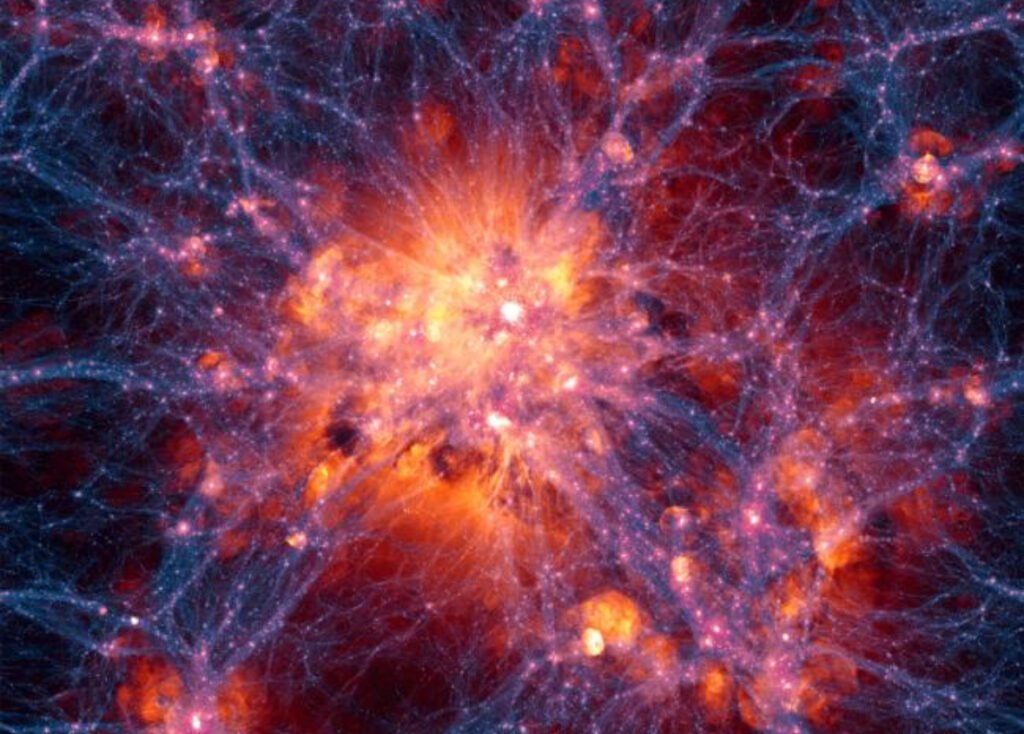
The universe reaches its heat death. Everything is too far apart and too cold for anything new to ever form again.
- 🥶 Maximum entropy achieved
- 🚫 No new stars, planets, or life
- 🌌 A silent, eternal darkness
🤯 The Ultimate Paradox
You are still alive. You are still breathing. But the universe around you has aged billions of years — and is effectively dead.
Time never stopped for you. It simply abandoned the universe.